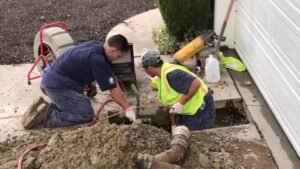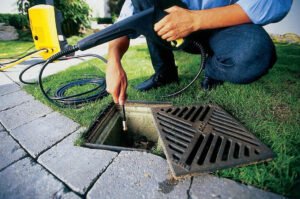

As spring stepped in Sacramento, homeowners significantly spared time for detailed cleaning. From scrubbing baseboards to clearing the garage everything seems perfect in this season. Despite performing many spring tasks, homeowners often neglect their drainage system.
Spring is the ideal time for homeowners’ drain maintenance. Winter’s heavy rainfall causes grease, tree roots, mineral deposits and other debris to collect inside your pipes. Moreover, aging sewer pipes and rich clay soil intensify the hidden problems.
Taking care of drains now will prevent slow sinks, recurring clogs, unpleasant odors, and sewer backups during the hot summer months when your plumbing system has peak usage.
Below, this detailed guide based on drain cleaning checklist is built for Sacramento’s homes plus how to tell when you can handle the drain yourself and when it’s smarter to call a professional.
What This Guide Covers
- How Spring Drain Cleaning Helps Prevent Summer Plumbing Issue
- Are Your Slow Drains Trying to Warn You About Something Bigger
- What's Actually Clogging Sacramento Drains? Local Challenges Explained
- Why Tree Roots Are a Sacramento Homeowner's Hidden Drain Enemy
- The Drain Cleaning Mistake That's Quietly Damaging Your Pipes
- Should You DIY Your Drain Cleaning or Call a Pro?
- Drain Snaking vs Hydro Jetting: Which One Does Your Home Actually Need?
- Your 8-Step Spring Drain Cleaning Checklist for a Clog-Free Year
- FAQS
- Bottom Line!
How Spring Drain Cleaning Helps Prevent Summer Plumbing Issue
Sacramento’s weather swings hard between two seasons, and your plumbing feels every bit of it. Through winter, months of rain saturate the region’s heavy clay soil. Then, as spring turns into a long, hot, dry summer, that same soil dries out, cracks, and shifts. Underground pipes flex with it. Joints that were watertight in December can develop tiny cracks by August.
That cycle matters because summer is also when your drains work hardest. Kids are home, showers run longer, and water demand climbs. Stressed pipes plus heavy usage is the recipe for a mid-summer backup at the worst possible moment.
Spring drain cleaning helps prevent problems before they start. It removes buildup left from winter and gives a plumber a chance to find issues like shifting pipes or tree root damage before the soil dries out and water use increases.
In short, spring plumbing maintenance is just as necessary as cleaning gutters or servicing your heating and cooling systems.
What you should do: Treat drain cleaning as a spring ritual, not an emergency response. Schedule it during the shoulder season between the last rains and the first heat, ideally in March, April, or May.
Are Your Slow Drains Trying to Warn You About Something Bigger
A slow drain is easy to brush aside. You run the water, it eventually goes down, and you move on. But slow drains are often the first quiet signal that something is larger and alarming settling down the drain.
Here’s why it happens. Most clogs don’t appear overnight. They build as following;
- Grease coating the walls of a kitchen line
- Shower durian become narrow by soap scum
- Mineral scale collecting in older pipes
By the time water apparently feels slow, half of the drains become already blocked. Ignoring it can cost you expensive fixes.
Real scenarios Sacramento homeowners describe all the time:
- A kitchen sink that gets slower every week thanks to cooking grease and food particles that harden in the pipe.
- A shower that holds water around your ankles is a result of hair and soap scum blocking the drain.
- A laundry drain that makes noises or overflows during washing. This is because lint and detergent leftovers narrow the pipe.
- A bathroom that always smells musty or like a sewer. This usually means there’s a buildup or a problem with the vent, not something you can clean.
Note: One isolated slow drain is usually a fixture issue. Multiple slow drains, gurgling, or recurring clogs mean it’s time for a professional to look at your main line.
What’s Actually Clogging Sacramento Drains? Local Challenges Explained
Every home has the usual suspects such grease, hair, soap, food scraps, and mineral buildup. But Sacramento adds a few challenges that homeowners in newer or drier regions often deal with.
Grease and Food Waste
Grease looks liquid when it’s hot but hardens as it cools, coating your pipes like plaque in an artery. Over time it traps everything else that flows past.
Hair and soap scum
One of the dominating factors over bathroom drains. They become tangled into dense clumps that catch on rough spots inside the pipe.
Mineral scale
Sacramento’s water is equipped with magnesium and calcium.These minerals travel faster in homes and significantly older piping, gradually shrinking the interior diameter of your lines.
Aging pipe material
A number of long-established neighborhoods were constructed decades ago, and a large number of houses have original clay or cast iron sewerage lines.
Clay pipe joints have a tendency to build gaps and casting iron deteriorates with age, forming ridges and pockets for debris to collect.
If you are living in a house that belongs to the 1980s era then obviously your sewer line’s age and material is working against you.
And then there’s the culprit that deserves its own section: tree roots. Look below!
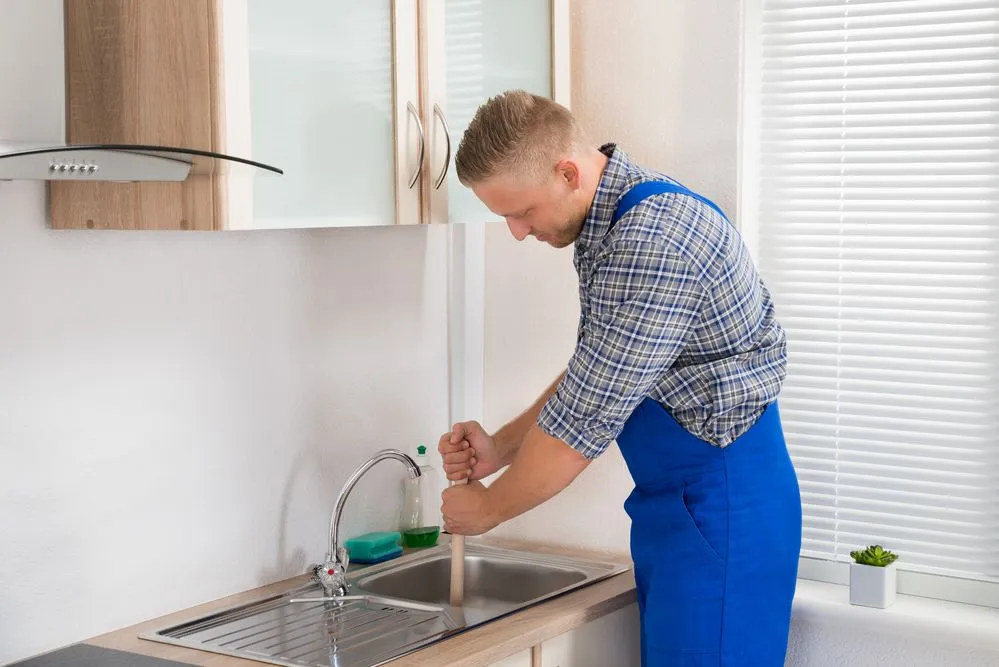
Why Tree Roots Are a Sacramento Homeowner’s Hidden Drain Enemy
People love the beauty of Sacramento’s older, leafy neighborhoods but in reality these dense tree roots are the region’s most common sources of severe sewer issues.
Let’s take a look at why it’s happening.
- Tree roots naturally seek moisture.
- Older Sewer lines are providing this warmth and neutrant rich moisture .
- Roots enter through cracks or loose joints (in old clay or cast iron pipes).
- Once inside, they grow into a thick layer of roots.
- After making a thick layer, they restrict wastewater flow .
Tips For Homeowners: If your sewer lines are surrounded with mature trees and you are facing recurring main line clogs, don’t keep putting a band-aid on the problem. Hire some professional plumber in Sacramento. After a detailed inspection he will suggest to you the appropriate solution.
The Drain Cleaning Mistake That’s Quietly Damaging Your Pipes
Now, before we get to solutions, let’s get rid of the most prevalent and most harmful practice homeowners fall into: reaching for a bottle of chemical drain cleaner.
It’s understandable. Chemical cleaners are inexpensive, widely available and offer quick results. The issue is that they are very strong and produce heat and corrosive reactions as they work through a clog.
This same reaction is harmful to your pipes and is particularly damaging to older metal pipes or old plastic pipes which are very common in Sacramento homes. Their repeated use can cause pipe walls to weaken, seals to wear down and a clog to become a leak.
What you should do: First, stop using harsh chemical cleaners. For light Spring home maintenance plumbing use enzyme-based cleaners that break down organic buildup without harming pipes. For anything stubborn or recurring, call a professional instead of pouring in something harsher.
Should You DIY Your Drain Cleaning or Call a Pro?
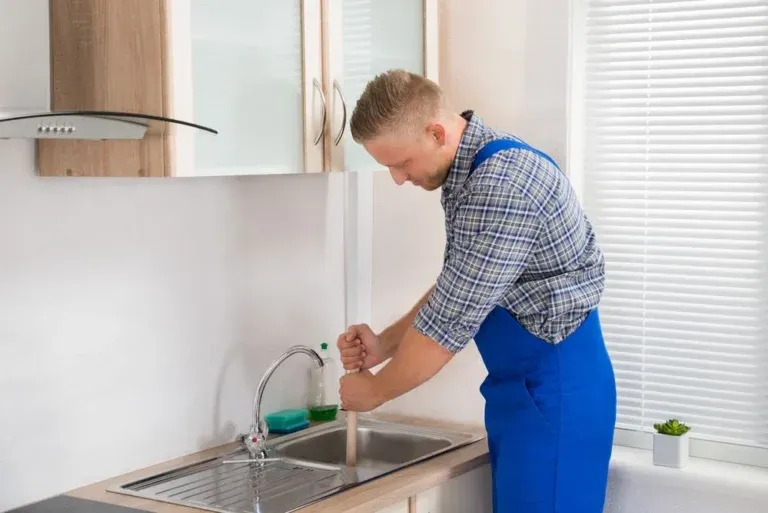
Not every drain issue needs a plumber, and part of good homeowner drain maintenance is knowing where the line falls. Some tasks are perfectly safe to handle yourself. Whereas others seek professional help.
Here’s a side-by-side comparison to help you decide:
Factor | DIY Drain Cleaning | Professional Drain Cleaning |
Best for | Single minor clogs, routine upkeep | Recurring, main-line, or severe clogs |
Tools used | Plunger, drain strainer, enzyme cleaner, hand snake | Motorized augers, hydro jetting, camera inspection |
Removes root cause? | Sometimes ,often only surface buildup | Yes clears the full pipe interior |
Diagnoses hidden issues? | No | Yes, can see roots, cracks, pipe condition |
Risk of pipe damage | Low with safe methods, high with chemicals | Low,technicians match the method to the pipe |
Handles tree roots? | No | Yes |
Cost | Low upfront | Higher upfront, lower long-term risk |
Drain Snaking vs Hydro Jetting: Which One Does Your Home Actually Need?
When you do call a professional, you’ll likely hear two methods: drain snaking and hydro jetting. They solve different problems, and understanding the difference helps you ask the right questions.
Drain snaking basically a flexible metal cable with a cutting head into the pipe to break up or hook a clog and pull it out. It’s excellent for punching through a specific blockage quickly and is often the right first step.
On the other hand,Hydro jetting uses high-pressure water. Plumbers use specialised high water pressure equipment that scorches pipe walls and cleans the full diameter rather than just clearing a path.
NOTE:A Professional plumber first analyses the situation carefully using waterproof cameras then decides on the right method based on pipe material and condition. They will never recommend hydrojetting for deteriorated pipes.
Your 8-Step Spring Drain Cleaning Checklist for a Clog-Free Year
Here’s a practical spring drain cleaning checklist you can run through as part of your spring home maintenance plumbing routine. Most of it takes an afternoon. Sacramento tap water sits in the band the USGS classes as hard water, which is why scale keeps showing up on this list, and root intrusion into private laterals is one of the leading causes of the sanitary sewer overflows the EPA tracks.
- Test every drain. Run water in each sink, tub, and shower and watch the speed. Note anything slow or gurgling.
- install drain strainers in kitchen and bathroom drains to catch food, hair, and debris before they cause trouble.
- Flush drains with hot water weekly, and use an enzyme-based cleaner monthly to keep organic buildup down.
- Stop pouring grease down the drain. Collect cooking grease in a container and throw it in the trash instead.
- Run and inspect rarely used drains, like a guest bathroom or floor drain, to keep traps full and odors out.
- Check for warning signs: slow drainage, gurgling, sewer odors, or water backing up when you use another fixture.
- Note any recurring clogs and stop treating them with chemical cleaners.
- Schedule professional annual drain maintenance, especially if you have mature trees, an older home, or a history of main-line issues.
FAQS
How do I know if tree roots are in my sewer line?
Frequent clogs, gurgling toilets, sewage smells, and multiple slow drains can indicate root intrusion. A camera inspection confirms the problem.
Is hydro jetting safe for older pipes?
Only if the pipes are structurally sound. Cracked clay, weak cast iron, or damaged pipes may need gentler methods.
What’s the difference between a fixture clog and a main-line clog?
Fixture clogs affect one drain; main-line clogs affect multiple fixtures and can cause backups.
Can repeated drain cleaning damage my plumbing?
Yes. Excessive chemicals or aggressive cleaning can weaken older pipes and damaged joints.
Bottom Line!
Sacramento plumbing problems require more than a quick fix. Local conditions from aging clay and cast iron sewer lines to shifting clay soil and mature tree roots create challenges that only an experienced local plumber can fix.
At ‘Appoint Plumber Today’, we aim to solve the root cause of your drain trouble, not just clearing the surface level problems. Our approach actually goes in this way: inspecting first, choosing the right method for your pipe’s age and material, and using tools like camera inspections and hydro jetting when they’re genuinely the right fit and recommending simpler solutions when they’re not.
Let’s get connected for an easier lifestyle!