
Common Water Heater Problems and How to Fix Them in Sacramento, CA
An ice-cold shower ruins your day immediately. Most storage tanks sit tucked away in a dark utility closet or basement. Out of sight, you barely think about them until the hot water cuts out, leaving greasy dishes in the sink and wet laundry sitting in the wash.
Calling out a plumber in Sacramento gets expensive real fast. Plenty of everyday tank issues do not actually need a pro. Heavy sediment sits at the bottom, a switch trips, or a heating coil burns out. A socket wrench, screwdriver, and multimeter from your garage usually get things running fine again.
Understanding what breaks inside these tanks and why it happens helps you get your hot water back without throwing money away.
Why Storage Water Heaters Stop Working
Before pulling panels off, it helps to know how water moves inside that heavy steel drum. Cold tap water comes in near the top rim, flows down a plastic drop tube, and settles at the bottom floor. A gas burner flame or electrical element heats that water up. As it warms, it rises toward the top outlet pipe whenever a tap opens anywhere in the house.
Thermal stress mixed with harsh mineral content takes a toll over time. Three main water heater problems trigger almost every single breakdown:
Hard Water and Mineral Buildup
Dissolved minerals like lime and calcium naturally float in regular tap water. Unseen stuff. Cold water holds these minerals fine, but adding heat knocks them out of solution. They drop like sand to the floor of the tank and cook into a concrete-like crust over time. That mineral pad acts like a thick blanket over the burner, making the unit struggle to heat through the rock while burning out the bottom plate.
Electrical Wear and Element Failure
Electric tanks rely on high-voltage power feeding two separate metal heating coils. These coils expand and contract continuously as they cycle on and off. Constant heating and cooling make the outer metal casing split. Electric power stops flowing through the gap, and your tap runs freezing cold.
Pressure Shifts and Pipe Vibrations
Hot water expands and creates steady pressure inside the tank. When that pressure jumps, it strains the plumbing inside. Pipe threads loosen, rubber washers wear out, and safety valves start dripping water right onto your floor.
Issue 1: You Have Zero Hot Water
Hot tap running stone cold for minutes? Learning how to troubleshoot water heater systems starts with checking if your setup runs on gas or electricity.
Fixing Electric Models
When an electric unit stops heating altogether, the fault almost always stems from an electrical feed issue rather than an actual water leak.
Head over to your main panel. Find the double-pole switch labeled for the heater. Flip it completely to OFF until it clicks, then snap it back to ON. Breakers trip internally sometimes while looking completely normal from the outside.
Kill the main power box first, so you stay safe when taking off the side cover. Peel back the fiberglass sheet to spot the red button sitting on the upper thermostat. Firmly push it down until you feel a distinct click. That red switch trips as a safety lock whenever internal temperatures spike.
Disconnect electrical power at the main panel before doing tests. Switch your tester to measure resistance, then touch its leads to both element terminals. Does the screen show zero or an open circuit? The coil’s internal filament burnt out, so you’ll need a new part.
Fixing Gas Models
Got no hot water? The pilot light probably went out. Or the main gas valve was turned off.
Take off that small metal plate near the bottom. Peek through the tiny window. Dark inside? That means your flame died.
Switch the knob to OFF. Wait five minutes to let stray gas clear out safely. Turn it to PILOT, press the dial in hard, and click the igniter. Don’t let go of that dial right away when it lights. Hold it down for 60 seconds so the sensor gets hot, or it just cuts off again.
Flame keeps going out? Shut off the gas line and yank out the burner setup. Soot buildup on the probe often cuts the signal. Take steel wool, scrub the copper tip until bright, and mount it back. Still failing? Swap it out with a cheap replacement thermocouple from the hardware shop.
Issue 2: Water Runs Out Fast or Stays Lukewarm
Morning shower turns freezing after two quick minutes? This is one of the top water heater issues when an internal part breaks down.
Lower Heating Coil Failure
Electric water heaters use two heating loops. The top element handles initial temperature recovery, but the bottom coil handles almost all the daily work. If that lower coil burns out, only the top third of the tank gets hot. You get two short minutes of warm water before it turns freezing cold.
To fix it: Cut power at your breaker box, unscrew the lower access plate, and move padding out of the way. Check continuity across the lower element using a multimeter. If there’s no reading, turn off the water inlet, drain the tank below the panel line, unbolt the broken element with a socket wrench, and put in a new coil.
Issue 3: Loud Popping and Banging Noises
Heavy sediment packed along the tank floor creates these loud noises. As minerals settle over the burner assembly, they harden into a dense layer. Water gets trapped under this hard layer. Once the burner lights, water under the scale boils right away, turns into steam, and punches through the crust with a sharp crack. That tiny steam burst trapped under mineral rock is what makes your plumbing knock.
Hearing a squealing noise instead? Water or steam is forcing through a clogged valve or pinched line fitting.
Issue 4: Water Leaking Around the Base or Top
Leaking water at the base of your heater needs immediate attention. Tiny drips rot out subflooring, ruin drywall, and flood basements fast.
Check Loose Pipe Connections Up Top
Examine the top of the tank first. Water frequently drips down from loose pipe threads or cracked rubber washers, running along the outer shell to form a puddle at the base. Use a pipe wrench to snug up any loose threaded fittings on the cold and hot water lines above the unit.
Inspect the T&P Relief Valve
Every tank uses a Temperature and Pressure Relief (T&P) valve on the top or side, attached to a pipe going down to the floor. This safety valve opens by itself whenever internal tank pressure gets too high.
Seeing water leaking from this discharge pipe? Pull up on the metal test lever for two seconds to blow out grit, then drop it back down. If water keeps dripping out after that, the inner gasket is ruined. Shut off water, unscrew the old assembly with a wrench, and mount a new replacement valve wrapped in Teflon tape.
What to Do for Bottom Metal Leaks
Wipe down the tank shell. Water seeping straight out of the bottom metal seam means the inner steel drum has rusted through. Water heaters have a sacrificial anode rod inside that pulls rust away from the steel walls. Once that rod dissolves completely, rust turns straight onto the inner steel drum itself.
Note: You cannot patch a rusted-through inner steel drum. Water dripping out of the outer metal jacket seam means the inner tank wall ruptured, requiring a full replacement unit.
Easy Maintenance to Do Every Year
Taking twenty minutes once a year for simple maintenance will easily double your tank’s service life and keep your power bills low:
- Empty out a few gallons through the bottom drain valve once a year. Flushing clears loose mineral sand out before it bakes into rock.
- Pull out the top hex-head anode rod every two years to check it. Replace it if it looks eaten away or reduced to its central core wire to keep protecting the steel tank from rust.
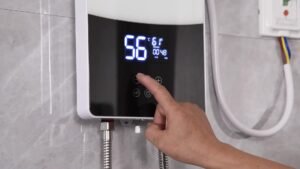
- Cap your thermostat right at 120°F. Running the tank hotter makes scale build up fast, fries your heating elements early, and spikes your power bill.
When to Stop and Call a Pro
Knowing how to fix water heater parts yourself saves cash, but safety always comes first. Handling small repairs saves cash, but safety comes first. Turn off the system immediately and call a professional Sacramento plumber if you spot these hazards:
- Gas smell
- Burnt wiring
- Corroded gas lines
Handling simple upkeep early, like sediment flushes, coil replacements, and quick inspections,keeps your water heater running smoothly for years.


Latest Post