
Water leaks are tricky. One tiny loose fitting behind a wall can sit there dripping for months. You won’t even see it. But your house feels it. Drywall gets soft, wood rots, and your monthly water bill shoots up for no reason.
Finding those leaks early is everything. It saves your floorboards and keeps your hard-earned money in your bank account. The good news? Figuring out how to detect water leaks in your home isn’t rocket science. You don’t need a high-tech toolkit or years of plumbing experience either.
With just a few basic water leak detection methods, any homeowner can spot trouble spots, locate hidden moisture, and fix things before a small drip becomes a massive, expensive disaster.
What This Guide Covers
- Common Signs of a Hidden Water Leak Around Your House
- Simple Steps to Detect Water Leaks Yourself
- How to Run a Water Meter Leak Test (Step-by-Step)
- Simple Home Checks vs. Advanced Plumbing Tools
- Professional Water Leak Detection Methods Plumbers Use
- Need Help Spotting a Hidden Pipe Leak in Sacramento, CA?
- FAQS
- The Bottom Line
Common Signs of a Hidden Water Leak Around Your House
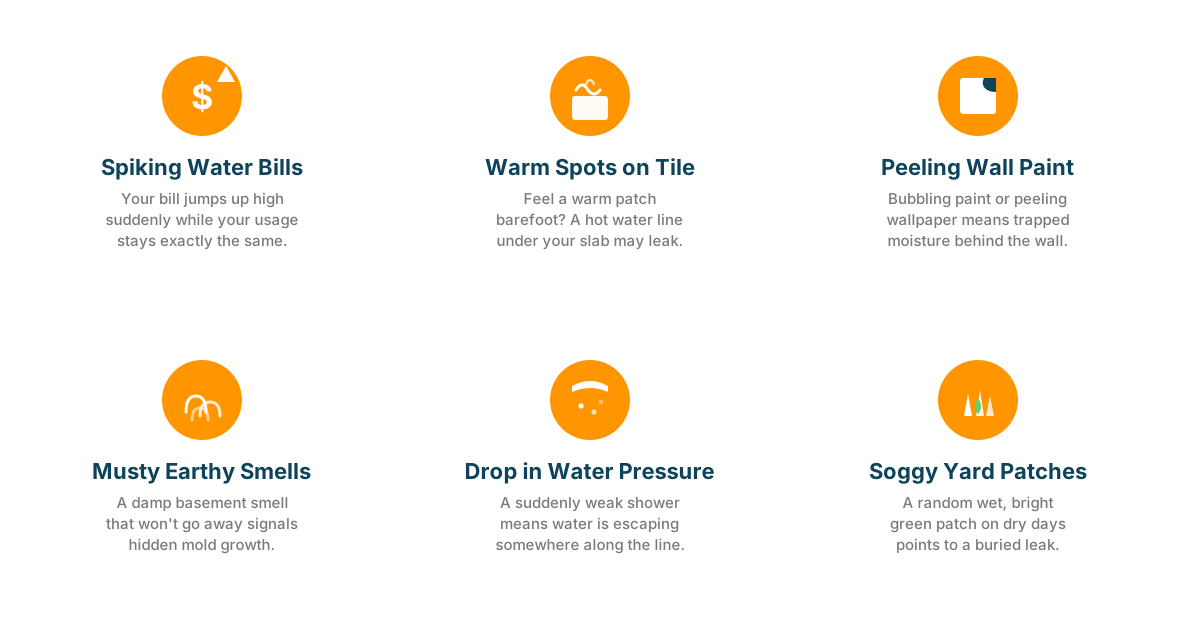
Pipes break quietly. Most of the time, you won’t hear a big pop or see a huge flood right away. Instead, your house gives off small hints. Spotting the signs of a hidden water leak early stops minor moisture from ruining your structural walls or flooring.
Here are six clear signs to watch out for:
- Spiking Water Bills: Your bill jumps up high suddenly. But your daily water usage stayed the exact same.
- Warm Spots on Tile: Walking barefoot and feel a warm patch on your floor? A hot water line under your slab might be leaking.
- Peeling Wall Paint: Paint starts bubbling up or wallpaper peels off. Moisture trapped behind the sheetrock pushes it out.
- Musty Earthy Smells: That weird damp basement smell won’t go away. Dark, wet spaces behind drywall breed hidden mold fast.
- Drop in Water Pressure: Your shower head feels weak all of a sudden. Water is escaping somewhere along the main pipe line.
- Soggy Yard Patches: A random wet, bright green patch appears on your lawn when it hasn’t rained in weeks.
Paying attention to these red flags is the easiest way regarding how to detect water leaks in your home before serious property damage sets in.
Simple Steps to Detect Water Leaks Yourself
Finding a leak early doesn’t mean buying fancy gear or hiring help right away. Walking around your home with a quick, ten-minute DIY water leak detection checklist usually does the trick. Here is where to check:
- Toilet Dye Trick: Put 5-10 drops of dark food coloring inside your back toilet tank. Do not flush it! Go grab a coffee for 15-20 minutes. If tint leaks into your toilet bowl, that rubber flapper valve down inside is shot.
- Under Sink Inspection: Open up the doors beneath your kitchen and bath sinks. Get a flashlight and literally feel the cold water pipes with your dry hand. Any slick feeling, soft wet cabinet flooring, or white chalky crust on metal fittings is bad news.
- Yard Hose Bibs: Walk your outdoor foundation. Over winter, frozen water splits hose spigots from the inside. Check if the exterior wall bricks or dirt around the spigot base stay damp on hot days.
- Behind the Washing Machine: Pull your washer out slightly from the drywall. Inspect the rubber supply lines right where they clamp onto the wall valves. Look for tiny rubber cracks, bulges, or subtle dripping.
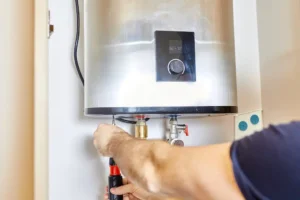
- Water Heater Base: Get down low and scan the bottom metal rim under your heater. If you notice rusty metal flakes or a ring of dried mineral scale on the floor, your internal tank walls are failing.
Spotting these small red flags early cuts off signs of a hidden water leak before your floorboards start soaking up moisture.
How to Run a Water Meter Leak Test (Step-by-Step)
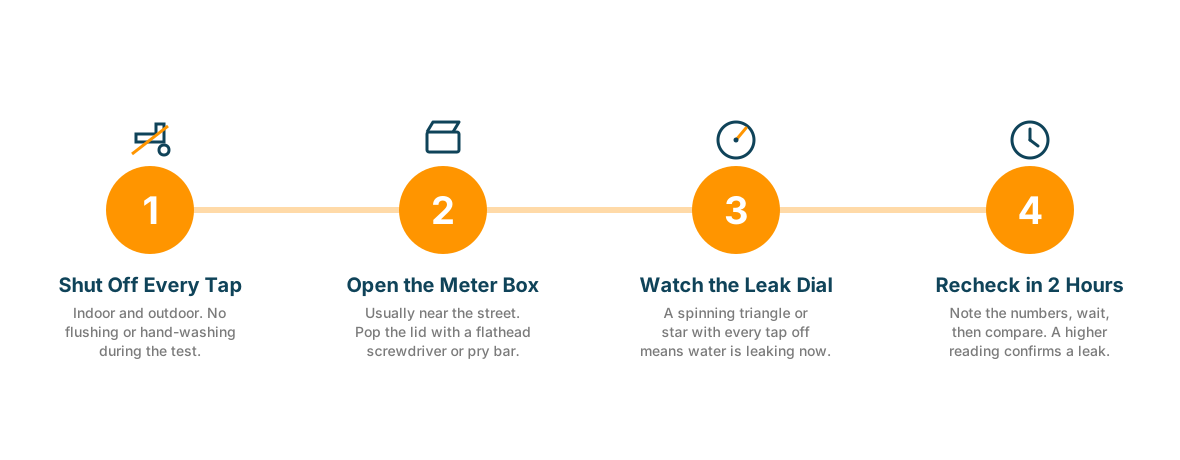
Your water meter is basically a fail-safe leak detector. If water is moving through your pipes anywhere on the property, that meter will count it. Running a fast water meter leak test is the single best trick for DIY water leak detection when you can’t actually see any wet spots.
Here is how you do it:
- Shut off every single tap inside and outside. Turn off the ice maker, dishwasher, washing machine, and hose spigots. Make sure no one flushes a toilet or washes their hands while you run this test.
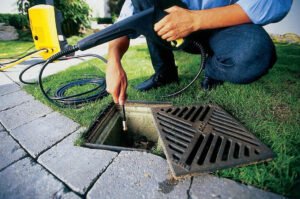
- Find and open your meter box. It’s usually outdoors near the street or curb, sitting inside a concrete or plastic box in the ground. Pop the lid off carefully with a flathead screwdriver or pry bar.
- Check the low-flow indicator dial. Look at the main meter face. Most meters have a tiny red or blue triangle, star, or small silver wheel. That’s the leak dial. If that little indicator is spinning even super slowly while all your taps are shut, you’ve got water leaking right now.
- Do a two-hour static comparison test. If the dial isn’t moving, write down the exact numbers on the digital display. Leave all water turned off and go do something else for two hours. Check the numbers again. If the read went up, water is definitely escaping somewhere in your line.
Simple Home Checks vs. Advanced Plumbing Tools
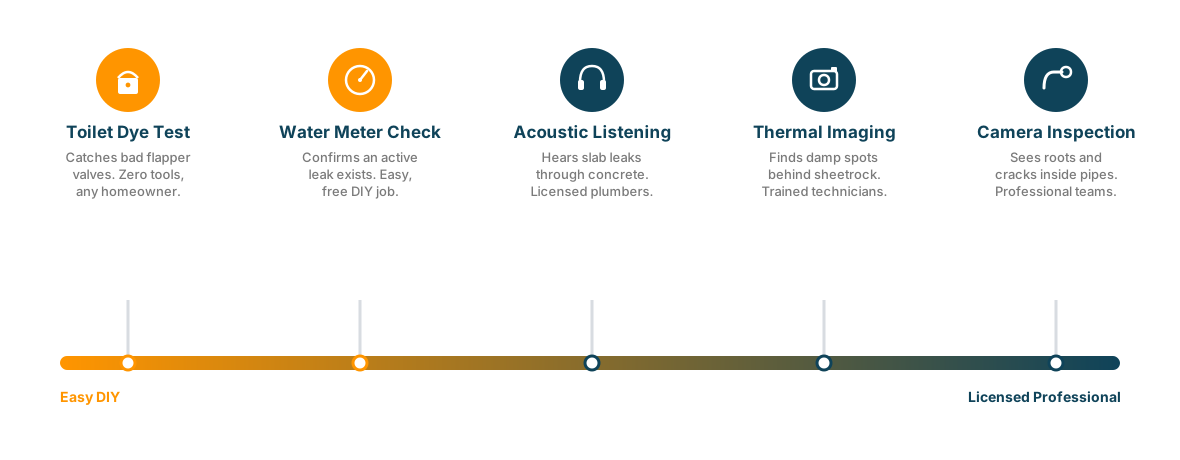
Finding a leak early comes down to using the right approach for the job. Here is how quick DIY inspections compare against heavy-duty plumbing gear:
Method | Best For | Accuracy | Who Can Do It |
Toilet Dye Testing | Catching bad tank flapper valves | High, but only works inside the toilet tank | Any homeowner (takes zero tools) |
Water Meter Monitoring | Proving an active leak exists somewhere on your property | Very reliable indicator, though it won’t pinpoint the exact pipe | Easy DIY job |
Acoustic Sound Equipment | Hearing underground slab leaks through concrete | Top tier | Licensed plumbers only |
Thermal Infrared Scans | Finding damp wall spots and hot line breaks behind sheetrock | Extremely high | Trained technicians |
Seeing tree root blockages and collapsed drain pipes directly | Gives exact visual evidence | Professional plumbing teams |
Combining quick everyday checks with professional water leak detection methods guarantees you catch quiet drips before serious structural damage happens.
Professional Water Leak Detection Methods Plumbers Use
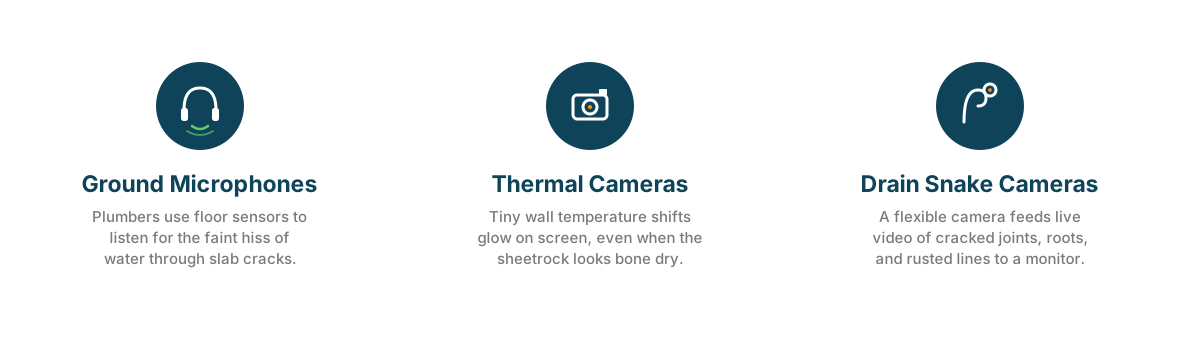
When quick home checks don’t turn up a thing, local plumbers bring out the heavy gear. You definitely don’t have to go ripping down walls just to figure out how to detect water leaks in your home. Licensed pros actually use neat gear to pinpoint leaky pipes down to the exact spot:
- Ground Microphones: Plumbers wear heavy headphones wired up to floor sensors. They literally walk your rooms listening for the faint hiss of water blasting through concrete slab cracks underground.
- Thermal Cameras: These cameras pick up tiny wall temperature changes. A cold wet spot or hot water line leak shows up like a bright colored patch on screen, even if the sheetrock looks bone dry to your eye.
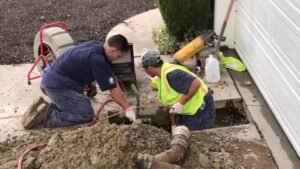
- Drain Snake Cameras: Techs shove long, flexible cameras deep down your pipes. A live video feed displays cracked joints, tree roots poking through, or rusted metal lines right on a handheld monitor screen.
Getting a plumber with this kind of gear is honestly the smartest way to trace tricky signs of a hidden water leak before your house framing takes on serious water damage.
Need Help Spotting a Hidden Pipe Leak in Sacramento, CA?
Don’t let a small hidden drip rot your floorboards or double your monthly utility bill. If you suspect water is escaping behind your walls or beneath your slab foundation, get it checked out fast.
Call the team at Appoint Plumber Today today at (916) 269-0978. Our local technicians find hidden leaks fast without tearing up your home unnecessarily.
FAQS
How long does a water meter leak test take?
Not long at all. A basic check takes maybe five minutes. But if you want to catch tiny, slow drips, leave all your water taps shut off and re-check the meter dial after about two hours.
Can I do DIY water leak detection without tools?
Yeah, absolutely. Most early checks just take a sharp eye and a flashlight. Looking for wall stains, running simple toilet dye tests, and watching your meter costs literally zero dollars.
What is the most common hidden water leak in homes?
Toilets, hands down. A worn-out flapper valve lets hundreds of gallons leak out quietly every single day without making much noise at all.
The Bottom Line
Water damage moves fast. Checking your meter once a month using a basic water meter leak test catches tiny drips before your drywall rots out. The EPA WaterSense program puts household leaks at nearly one trillion gallons of water wasted nationwide every year, and almost all of it starts as a drip nobody noticed. If that meter keeps spinning but you can’t see any wet spots, time to call in professional water leak detection methods.
At Appoint Plumber Today, we help Sacramento homeowners catch hidden leaks before they turn into costly repairs. Suspect a leak? Call us at (916) 269-0978 to get it sorted out today.