
Master Your Bathroom : The Ultimate Toilet Plumbing Guide
Always notice that plumbing issues will never come at the right moment. When you flush the toilet the water starts rising at a very quick rate. Or in the middle of the night, you hear that your toilet is releasing the water itself. Such incidents may lead to panic and stress in any house. A lot of people believe that plumbing in toilets is so sophisticated that they do not understand. The thing is that it is not so scary as soon as you understand the fundamentals. Gathering some information about toilet plumbing would be a money-saving measure, avoid harm, and decrease stress. These are some of the ways through which a toilet works, how the common issues may be stated, how the toilet links with other bathroom fixtures such as tubs and showers.
Visualizing the Flow: Your Toilet Plumbing Diagram
There are various basic components of a toilet, which collaborate to eliminate waste and to prevent the smell of bad things out of the bathroom. The tank is located on the top and it holds clean water which leaks out during use of the toilet. The bowl is the lower part where water and waste collect before being sent down the drain. The trap is something that is found inside the toilet, it is a curved passage, which will always have a certain amount of water to prevent sewer gases from getting into the bathroom. At the bottom, there is a wax ring to the floor that covers the toilet and cannot allow any water to go out. The flange is located below the wax ring and it joins the toilet securely to the drain pipe.
In a toilet plumbing diagram, water flows from the supply line into the tank. Whenever there is use of the bathroom toilet, the water flows into the bowl, which then forces waste via the waste line into the main sewer. The toilet also has vent and drain lines with other fixtures like the sink and bathtub. This bonding provides a smooth circulation of water and avoids the issue of pressure in the entire plumbing system in the bathroom.
Troubleshooting: The Running and Leaking Toilet
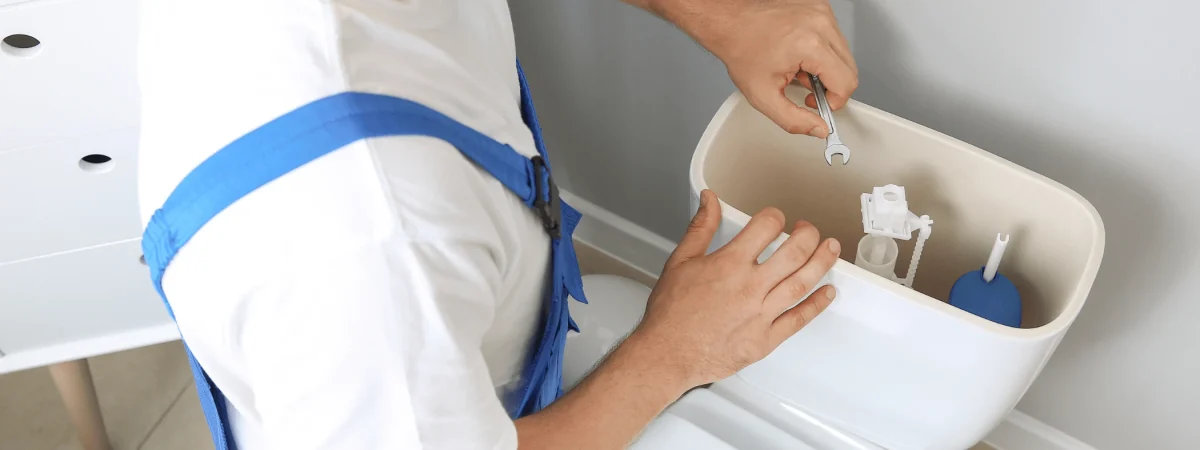
A running toilet can also be referred to as phantom flush. You may hear the tank filling again without flushing. This normally occurs because the flapper is worn out or the fact that the flapper is failing to close. A broken fill valve may also make water continue running. To do a quick repair, it is possible to inspect the flapper, interfere with the chain, or wipe the valve. These are simple measures that are cheap. When the toilet continues running despite these tests, it is wise to have a plumber for running toilet whose services can be used to fix the issues. The issue of internal values can be difficult to deal with without experience.
Another problem is the water present on the floor. The washers of the tank bolts are loose and usually damaged leading to leakage. These are usually easy to fix. Leakage of water at the bottom of the toilet is more serious. This normally means the failure of the wax ring. Then one has to replace it by lifting the toilet. This is the best measure to help ensure the floor is not damaged by water and in this case, the safest solution would be to find a plumber for leaking toilet.
DIY Guide: Toilet Plumbing Installation
- The first step to take is to switch off the water supply around the toilet. To empty out the tank and bowl, flush the toilet.
- Wipe away any water that may be remaining in the toilet using a towel or a sponge.
- Before lifting the old toilet, remove the bolts at the bottom and lift very carefully. Set it aside safely.
- Test the floor flange and ensure that it is hard and not fractured.
- Carefully remove the old wax ring and clean the place well.
- Install a new wax ring. It is a measure to prevent leaks in future.
- Lower the new toilet gradually, and align it with the bolts.
- Press tightly in such a way that the toilet is flat and sits on the floor.
- Tight the bolts slowly. Do not tighten too much since this may crack the toilet.
- Reconnect the water line and re-turn the water on and see whether there are any leaks or not.
Beyond the Commode: Bathtub and Faucet Connectivity
Plumbing in the bathroom is not divided into parts. Numerous fixtures all have the same drain and vent lines. Due to this fact, the problem in one sphere can influence others. A toilet issue may cause slow drains or strange noises in nearby fixtures.
The bathtub plumbing is directly related to the toilet. When the toilet vent is blocked, there would be no free air movement. This may lead to the gurgling sound of the bathtub drainage upon flushing the toilet. It can also contribute to the gradual emptying of the tub of water.
During the working of the toilet, it is a good time to inspect showers and faucets. Note weak water pressure or dripping shower. Even a slow drip will increase the amount of money you spend on water. If shower pressure stays low, it may be time to have a plumber fix shower issues. In case of faucets that continuously drip, plumber for leaky faucet will help to avoid water waste as well as the destruction under sinks.
FAQs
Q1: How do I know if I need a new wax ring?
A: The symptoms will include water pooling at the bottom of the toilets or a bad odor of sewage. This normally means that the wax ring is broken.
Q2: Can I install a toilet myself?
A: Yes, however, the maintenance of toilet plumbing needs such power and precision. One should raise the unit and position the wax ring in the right position.
Q3: Why does my shower gurgle when I flush?
A: This normally occurs due to a blocked up vent. Failure of the vent allows free flow of air and has an impact on the bathroom plumbing and creates problems. This problem in the majority of instances should be examined by the specialist to determine the precise cause.
Q4: How much does a plumber cost to fix a running toilet?
A: Prices are dependent on the issue. Less complex fixes are also cost effective than those that require replacement of the valves or unidentified problems.
Conclusion
Knowledge of toilet plumbing will make you have confidence and control over your bathroom. Regular maintenance will help avoid leaks, conserve water and protect your house. Easy tasks such as replacement of a flapper or checking drips can be simply done by yourself. Being aware of the connection of your toilet to the tubs, showers and sinks is also useful in assisting you to identify timely warning signs.
When bigger jobs are concerned, such as the installation of toilets or the continuous leakage, then it is always wise to engage a professional. Depending on a skilled plumber will save your house in case of the water break and expensive repair. The bathroom will take care of you in case you take care of the bathroom.